How to Select a Mattress Which Suits Your Body
Sleep is essential, and the right mattress can be a game changer. If you've ever asked How to Select a Mattress or wondered which mattress is good for body, you're not alone.
A good night’s sleep is not a luxury in India’s busy cities; it is daily fuel. If you are choosing a new bed, you will see one term again and again: natural latex mattress. Known for its breathable feel, clean materials, and lasting support, this type of mattress quietly changes the way we rest. In the sections ahead, you'll get simple, useful insights on what matters most—from health perks to cooling benefits to long-term value—so you feel confident picking the right mattress for your needs.
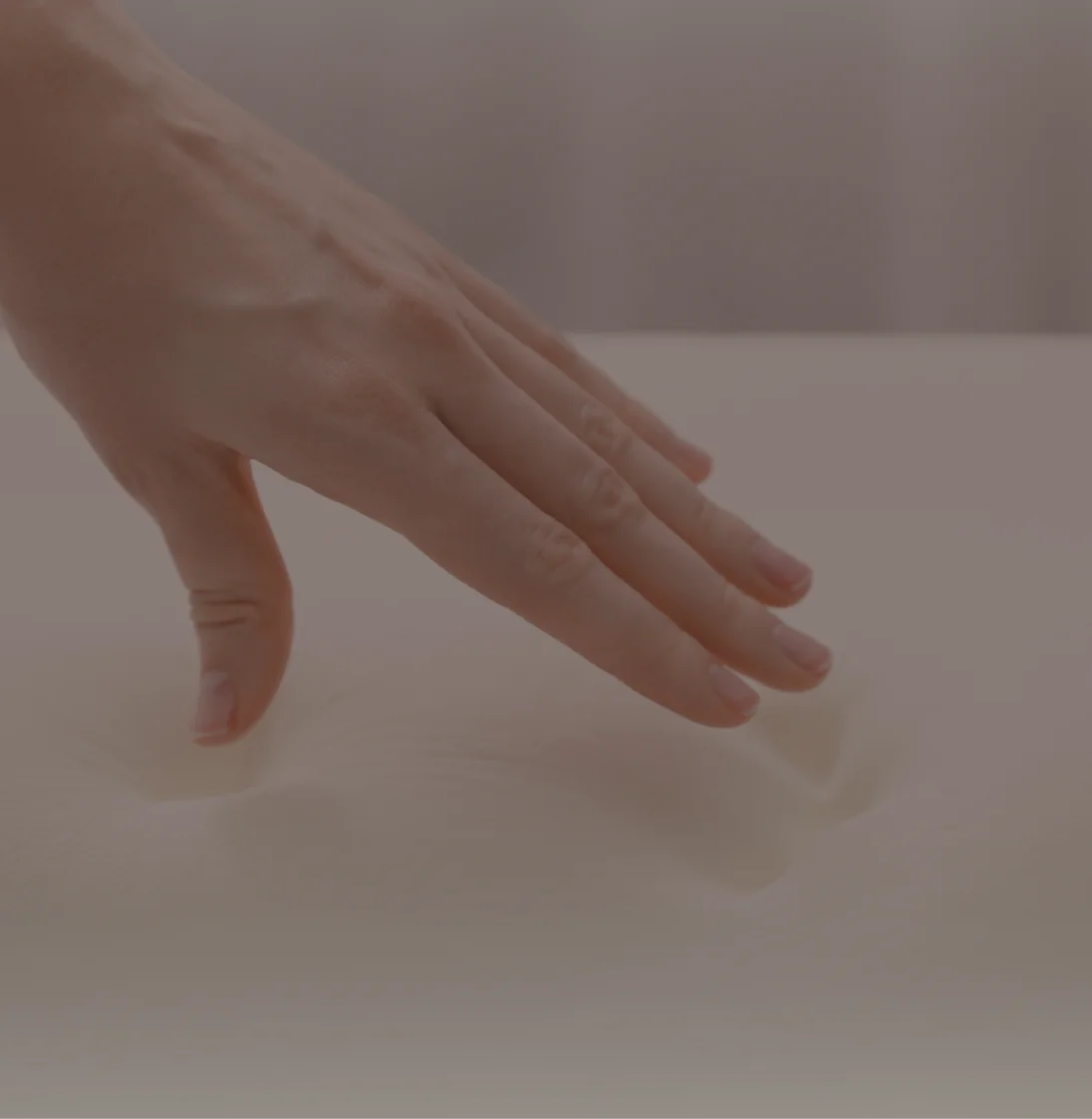
The shift toward a natural latex mattress in Indian homes is easy to grasp. This type of bedding offers long-lasting comfort, meaning fewer disruptions at night and better material quality overall. Its responsive surface bounces back rather than letting you sink in, so you don’t feel stuck when you shift. Reviewers and lab tests often praise latex for its durability, breathability, and support—all hugely valued in Indian homes where rooms are warm and daily routines are longer. Sourced from rubber trees and made into an open-cell core, this material allows airflow so heat does not build up as it can in thick foams. That cool, springy feel becomes your “aha!” comfort upgrade.
A natural latex mattress excels in two key areas: aligning your spine correctly while spreading pressure evenly to reduce aches. Latex deforms immediately under heavier areas like shoulders and hips, yet springs back when you move, helping maintain a neutral spine through the night. Consumer guides consistently praise this mix of pressure relief and responsiveness. Day-to-day you notice easier turns, with less “dip and drag,” as the surface pushes back softly. The structure of latex spreads weight evenly, reducing hot spots. Many designs also include supportive zones or pin-hole ventilation patterns to fine-tune support where you need it most, such as mid-zone or edge support for stability.
“Healthier” means cleaner air and fewer triggers for sensitive users. Natural latex is naturally resistant to dust mites, mould and bacteria, which helps keep allergens low—useful in humid cities. It also has minimal chemical odour compared with some synthetic foams. If allergies are a concern, these traits make a strong practical case for a natural latex mattress.
India’s mattress market has grown quickly, and buyers now look for design options that combine comfort with long-term value. A natural latex mattress is available in many formats, each suited to different needs, budgets, and bedroom conditions.
Choosing the right natural latex mattress starts with deciding on feel and appropriate thickness. Side sleepers tend to favour medium or medium-firm options, while back and stomach sleepers may do better with a slightly firmer feel. In India, a quality latex layer of 6–8 inches generally works well with common bed frames. If you tend to run hot, pairing your natural latex mattress with a breathable cotton cover helps keep you cool. Instead of focusing only on price, compare total value: factor in warranty, trial period, delivery, and returns.
Here’s a gentle nudge: shortlist three models, try firmness in-store if possible, or choose one with a solid trial. If SleepyHug is on your radar, compare their MoodPlay and MoodPlay Fresh lines. Look at live offers, match them to your sleep position, room heat, and budget, and make your choice with confidence.
Ready to narrow it down? Compare one natural latex mattress each from your top three brands (features, thickness, trial, and warranty) and decide within a week—your back will thank you. If SleepyHug is on your shortlist, review MoodPlay and MoodPlay Fresh for live offers and pick the build that fits your posture and room heat.
Discover the Hottest Fashion News and Trends Straight from the Runway
Sleep is essential, and the right mattress can be a game changer. If you've ever asked How to Select a Mattress or wondered which mattress is good for body, you're not alone.
When exploring latex vs memory foam mattress, it's not just about plush feel versus springy bounce—it's about how each material responds to your body, supports your spine, manages temperature, and holds up over time.
A latex mattress is a sleep surface made with layers of latex foam, renowned for offering a bouncy, breathable, and durable sleeping experience.
If you (or your partner) tend to overheat at night, a Cooling Bed Mattress can be a quiet game-changer. Heat raises wakefulness and cuts down deep and REM sleep, so getting temperature right isn’t a gimmick—it’s sleep science.
Choosing the right mattress size is crucial for a good night’s sleep. In India, two popular options are double beds and queen beds. In this blog, we’ll do a deep dive into double bed vs queen bed – exploring size differences, suitability for couples or singles, space requirements, and more.
Explore different types of mattresses in India including memory foam, HR foam, pocket spring and hybrid. Compare pros, cons, prices, durability and climate suitability to choose the right mattress for your sleep needs.
Discover how orthopedic mattresses support spinal alignment, reduce back pain, relieve pressure points, and who benefits most from using one.
Learn what HR foam is, how it works, its characteristics, benefits, drawbacks, and how it compares to PU foam. A complete HR foam mattress buying guide.
Learn about air mattresses, how they work, different types, common uses, and how medical air mattresses help prevent and treat bedsores.
Foam vs spring mattress explained in detail. Compare durability, comfort, pros, cons, and use cases to choose the right mattress based on your sleep needs.
Learn what a high-density PU foam mattress is, ideal density levels, benefits, lifespan, and how to choose the right one for your body weight and sleep position.
Latex foam vs memory foam mattress compared on comfort, cooling, durability, pressure relief, and price. Find out which mattress material is right for you.
HR foam vs memory foam mattress compared on support, comfort, durability, heat retention, and price. Find out which foam is better for your sleep needs.
Choosing the right mattress firmness can transform your sleep. Compare soft, medium & firm mattresses
Learn how materials, size, thickness, branding, taxes & distribution affect mattress cost so you can buy the right mattress without overpaying.
Confused between HR foam vs PU foam mattress? Compare durability, support, comfort, lifespan, and price to choose the right mattress for long-term sleep quality.
An expensive mattress may cost more upfront, but is it cheaper over time? Compare budget vs premium mattresses on durability, health benefits, and long-term value to decide which mattress is worth buying.
Confused between a queen and king mattress? Compare size, comfort, room fit, and cost to choose the right mattress for your home.
Looking for Valentine’s Day gifts for couples? Discover why a Moodplay mattress by SleepyHug is the most thoughtful, romantic gift for couples to enjoy comfort, closeness, and better sleep every night.
Compare prices, 100-night trials, quality, hidden costs, and convenience in India. Find out which option is better for your sleep and budget.
Learn how Indian summers, monsoons, and winters affect mattress cooling, firmness, and spine support and which mattress types work best across seasons.
Learn how Indian shoppers choose mattresses based on health, climate, online trials, sustainability, pricing, and evolving sleep preferences.
Buying your first mattress? Learn how first-time buyers choose differently, common mistakes to avoid, and how to pick the right mattress for your body, budget, and climate without overpaying.
Choosing a mattress for your child? Discover the safest, most comfortable kids’ mattresses in India firmness by age, non-toxic materials, cooling for hot climates, and what to avoid.
How do mattress buying preferences differ between urban and Tier-2 India? Explore price sensitivity, EMI usage, materials, channels, and what truly drives buying decisions across cities.
Living in humid cities like Mumbai or Chennai? Learn how to choose the best mattress for high humidity compare latex, hybrid, and coil options that stay cool, resist mould, and last longer in tropical climates.
Sleep hot at night? Discover the best cooling mattresses in India for summer latex, hybrid, and advanced cooling tech explained to help hot sleepers stay cool all night.
Discover different types of pillows and their uses. Learn how memory foam, orthopedic and cervical pillows improve neck support, posture and sleep quality.
Looking for the best mattress for long sleepers? Discover durable, pressure-relieving options like natural latex and high-density memory foam designed for 10+ hours of sleep.
Discover the best mattress options for senior citizens, including orthopedic, memory foam, latex, and hybrid mattresses. Designed for joint support, edge safety, mobility, and pressure relief.
Noticing dips, back pain, or a hammock effect? Learn the early signs your mattress is sagging, how to measure a 1.5-inch dip, and when it’s time for replacement.
Using the wrong mattress firmness can cause back pain, pressure points, and poor sleep quality. Learn how to choose the right firmness based on sleep position and body weight.
Learn what mattress density means, how it affects comfort, support, and durability, and why high-density foam matters for long-term sleep quality.
Discover when it makes sense to buy a premium mattress. Learn about durability, pain relief, cooling features, partner sleep, and long-term cost benefits before you invest.