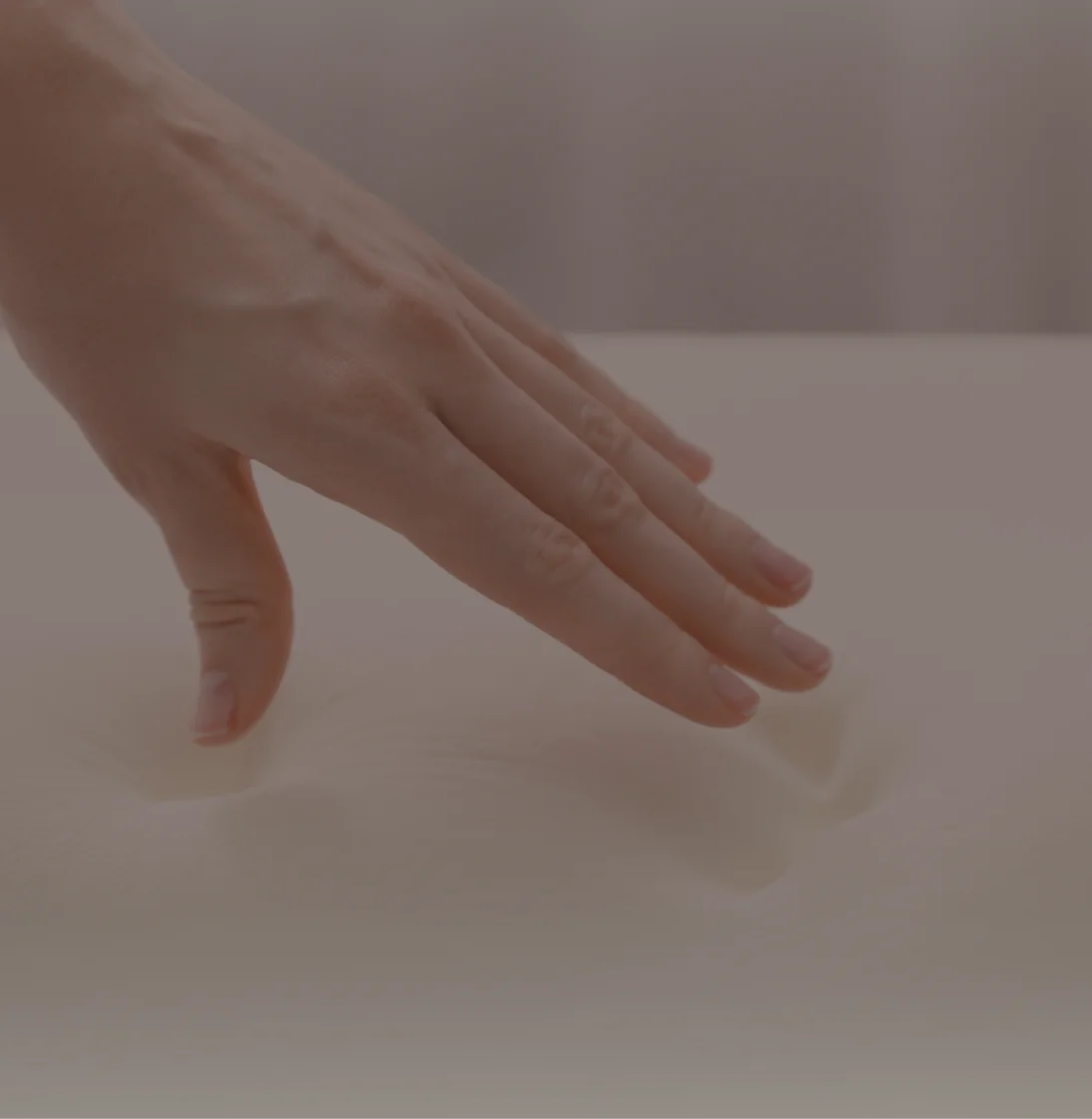
How to Select a Mattress Which Suits Your Body
Sleep is essential, and the right mattress can be a game changer. If you've ever asked How to Select a Mattress or wondered which mattress is good for body, you're not alone.
When exploring latex vs memory foam mattress, it's not just about plush feel versus springy bounce—it's about how each material responds to your body, supports your spine, manages temperature, and holds up over time. Whether you're wondering which mattress is good for body, which lasts longer, or which tackles temperature better, this deep-dive guide will help you figure it out.
SleepyHug mattresses often blend the best of both worlds—like combining breathable, responsive foams (e.g., CoolFlow) that feel more like latex, with memory-like contour in select zones. The effect is a balanced feel: responsive but not rigid; contouring without overheating. If you're weighing latex vs memory foam mattress, SleepyHug’s hybrids might be worth exploring.
| Feature | Latex | Memory Foam |
|---|---|---|
| Feel | Bouncy, responsive, less sink | Contouring, slow-sink, hug sensation |
| Heat retention | Cooler, better airflow | Warmer (unless enhanced by cooling tech) |
| Support & alignment | Balanced support, durable | Great contour—but less resilient over time |
| Longevity | Very durable; lasts 15–20+ years | Varies; lower density softens faster |
When asking latex or memory foam mattress for back pain, individual needs matter most:
Pro tip: A mattress that remains medium-firm, responsive, and supportive—like many latex or hybrid builds (which some SleepyHug models emulate)—often serves back-support needs best, especially when tested over time.
Choosing between latex vs memory foam mattress ultimately comes down to your sleep style, temperature preference, durability needs, and budget. Memory foam offers unmatched pressure relief with a “hug,” while latex brings lift, cooling, and lasting support. Hybrids blend the benefits—so try both feels during a home trial if possible. Sleep’s personal, and the best mattress is the one that lets your body align, breathe, and reset night after night.
Discover the Hottest Fashion News and Trends Straight from the Runway
Sleep is essential, and the right mattress can be a game changer. If you've ever asked How to Select a Mattress or wondered which mattress is good for body, you're not alone.
Waking up with back pain every morning? Discover how to choose the best mattress for back pain in India. This expert-backed guide covers mattress firmness, materials, sleeping positions, and orthopedic recommendations to help you sleep pain-free.
When exploring latex vs memory foam mattress, it's not just about plush feel versus springy bounce—it's about how each material responds to your body, supports your spine, manages temperature, and holds up over time.
If you’ve ever bought a bed only to realise the mattress doesn’t quite fit, you know why a precise Mattress Size Chart India matters. This 2025 guide breaks down standard mattress sizes, quick conversions (inches ⇄ bed sizes in feet ⇄ cm), typical price bands, and how to choose the right bed dimensions for your room—without the hard sell.
A latex mattress is a sleep surface made with layers of latex foam, renowned for offering a bouncy, breathable, and durable sleeping experience.
If you’ve wondered what is memory foam mattress technology and whether it’s right for you, here’s a clear, researched guide. A Memory Foam Mattress uses viscoelastic polyurethane foam— first developed with NASA funding—to cushion the body by responding to heat and pressure, then slowly regaining its shape.
If you’ve ever typed Which Mattress is Good for Health into a search bar and still felt none the wiser, this guide is for you.
If you (or your partner) tend to overheat at night, a Cooling Bed Mattress can be a quiet game-changer. Heat raises wakefulness and cuts down deep and REM sleep, so getting temperature right isn’t a gimmick—it’s sleep science.
Choosing the right mattress size is crucial for a good night’s sleep. In India, two popular options are double beds and queen beds. In this blog, we’ll do a deep dive into double bed vs queen bed – exploring size differences, suitability for couples or singles, space requirements, and more.
Choosing between a Hard Mattress vs Soft Mattress is really about matching firmness to your body type, sleeping position, and any specific aches you wake up with. Firmness describes how soft or hard a bed feels, while support is whether the bed keeps your spine aligned—related, but not the same.